Agiorgitiko is the most widely planted red grape in Greece, and it makes wines with deep colour, juicy red fruit and soft, round tannins. Its home is Nemea in the Peloponnese, but it grows across the region, including in our own vineyards in Skotini, Argolida. In this guide you will learn what Agiorgitiko wine tastes like, the main styles, how to serve it and what food to pair it with.
What is Agiorgitiko?
Agiorgitiko (say it “ah-yor-YEE-tee-ko”) is a native red grape of the Peloponnese. The name means “the grape of Saint George” and is usually linked to Agios Georgios, the old name of the town of Nemea. Locally, the wine also has a nickname, “the blood of Hercules”, from the myth of the Nemean lion and the wine’s deep red colour.
Greek winemakers often call it a multidynamic grape, because the same fruit can make very different wines: light, fruity reds for everyday drinking, serious wines for ageing, fresh rosés and even semi sweet wines. Few grapes adapt so easily to the style the winemaker has in mind.
It is also one of the varieties allowed in red PGI Peloponnese wines, so you will find it on many labels from the region, on its own or in blends. For a wider look at red wine in general, see our red wine guide.
Nemea, the home of Agiorgitiko
Nemea is the largest and best known red wine zone in Greece, and Nemea PDO wines are made from 100% Agiorgitiko. The zone covers villages in Corinthia and Argolida, with vineyards at very different altitudes.
This mix of soils and heights explains why two Agiorgitiko wines from the same area can taste so different. As a general rule:
- Lower, warmer vineyards: riper fruit, fuller body, softer feel.
- Middle altitudes: a balance of fruit and structure, often the best for ageing.
- Mountain vineyards: cooler climate, brighter acidity, more elegant and aromatic wines.
Not far from Nemea, in Skotini, Argolida, we grow Agiorgitiko at 820 metres, on the slopes of Mount Skiathis. Our wine carries the Protected Geographical Indication Peloponnese and shows how well the grape suits the mountain vineyards of the area.
What does Agiorgitiko wine taste like?
Agiorgitiko red wine is easy to recognise, even if you are new to wine. These are its main traits:
- Colour: deep ruby, often with purple hints when young, turning towards brick red with age.
- Aromas: cherry, plum, blackberry and sweet spices such as cinnamon and clove.
- Tannins: soft and round, without the grip of many other reds.
- Acidity: medium, enough to keep the wine lively.
- Body: medium to full, depending on the style and ageing.
After time in oak, notes of vanilla, smoke, chocolate and spice join the fruit. This velvety, plush feel is why many people compare Agiorgitiko to Merlot. To taste it properly, pour a little, swirl the glass and let the wine open up before the first sip.
Agiorgitiko wine styles
Because the grape is so versatile, check the label to see which style you are buying. The four main styles are:
Fresh red
Made without oak, or with only a short time in barrel. It is juicy and fruity, with cherry and strawberry, and very easy to drink. Great with everyday food.
Oak aged red
It spends months or even years in oak barrels and gains structure, complex aromas and the ability to age. These wines show the most serious side of the grape.
Rosé
The juice stays with the skins for only a few hours, so it takes a bright pink colour and aromas of strawberry, cherry and pomegranate. It is fresh, dry and perfect for summer. Read more in our rosé wine guide.
Semi sweet
It keeps some of the natural sugar of the grape. It is soft and fruity and suits people who do not enjoy very dry wines. Still, most Agiorgitiko wines you will find are dry.
Ageing and serving Agiorgitiko
Fresh Agiorgitiko and rosé are best in their first years, while the fruit is bright. Oak aged wines need time: the fruit and oak come together, the tannins soften and notes of dried fruit, leather and chocolate appear.
Serving temperature makes a big difference. A red served too warm tastes heavy and alcoholic, while one served too cold hides its aromas.
| Style | Temperature | Aeration | When to drink |
|---|---|---|---|
| Rosé | 8 to 10 °C | Not needed | While fresh |
| Semi sweet | 10 to 12 °C | Not needed | In its first years |
| Fresh red | 14 to 16 °C | A few minutes in the glass | In its first years |
| Oak aged red | 16 to 18 °C | Decant for 30 to 60 minutes | Can age for many years |
Our Agiorgitiko Cava
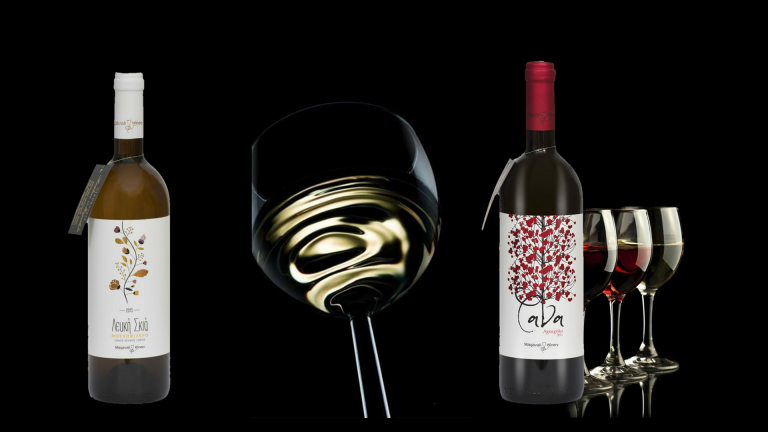
Our Agiorgitiko comes from our own vineyard at the Tsapounia site, planted in 1998 and harvested in early October. It ages for 36 months in brand new French and American oak barrels, in our underground ageing room five metres below ground, and then for another 12 months in the bottle. It is purple with brick red hues, with chocolate, ripe cherry and raspberry on the nose, a velvety full body and a long finish. We recommend serving it at 18 degrees Celsius.
What food goes with Agiorgitiko?
Soft tannins and juicy fruit make Agiorgitiko one of the most food friendly reds. It is a natural match for Greek food, from Sunday stews to meze. Use this table to pick a style:
| Food | Agiorgitiko style | Why it works |
|---|---|---|
| Moussaka, pastitsio | Fresh red | The fruit balances the béchamel and minced meat |
| Beef in tomato sauce, stifado | Fresh or oak aged | Tomato and spices match its aromas |
| Grilled steak, lamb chops | Oak aged red | The tannins stand up to fat and char |
| Game, roast suckling pig | Cava | Complex aromas hold up to strong flavours |
| Aged and smoked cheese, prosciutto | Oak aged red | The velvety body softens the salt |
| Pasta with tomato, pizza | Fresh red or rosé | Medium acidity suits tomato |
| Salads, grilled tuna or salmon | Rosé | Fresh and light, it does not cover the dish |
| Dark chocolate, red fruit desserts | Cava or semi sweet | Chocolate and red fruit echo the wine |
For relaxed evenings with friends, see our ideas for wine snacks and meze.
Agiorgitiko vs Xinomavro
These are the two best known Greek red grapes, but they have very different personalities. Agiorgitiko is the friendly, round red of the south, while Xinomavro is the firm, structured red of the north.
| Feature | Agiorgitiko | Xinomavro |
|---|---|---|
| Region | Peloponnese, mainly Nemea | Northern Greece, mainly Naoussa and Amyndeo |
| Colour | Deep ruby | Lighter red, brick red with age |
| Aromas | Cherry, plum, spice | Red fruit, tomato, olive, spice |
| Tannins | Soft | Firm, grippy when young |
| Acidity | Medium | High |
| When to drink | Young or aged | Usually needs time |
| Similar to | Merlot | Nebbiolo |
If you like soft, fruity reds, start with Agiorgitiko. If you prefer wines with grip and bright acidity, Xinomavro will win you over. Many wine lovers keep both in the cellar for different occasions.