White wine is wine fermented without the grape skins, which is why it has a pale colour, a fresh taste and fruity or floral aromas. It can be dry or sweet, light or fuller bodied, and it goes well with fish, vegetables, cheese and meze. In this guide you will see how it is made, the main types, the Greek white grapes, the calories, how to serve it and how to choose a good bottle, with our own Moschofilero White Shadow as an example.
How white wine is made
The key difference from red wine is the skins. Colour and tannins sit in the skin of the grape, not in the juice. For red wine, the juice ferments together with the skins for days or weeks. For white wine, the juice is separated from the skins before fermentation, so it stays pale, has no real tannins and focuses on freshness and aroma.
This is also why white wine can be made from grapes with coloured skins. Moschofilero, for example, has pink skin, yet it is mostly used for dry white wines. If the juice stays in contact with the skins for a few hours, the wine takes on a soft pink colour, which we explain in our guide to rosé wine.
The main steps of white winemaking are:
- Harvest. The grapes are picked when sugar and acidity are in balance, ideally in cool conditions to protect their aromas.
- Crushing and pressing. The juice is quickly separated from the skins and seeds.
- Settling. The juice rests so that solid particles sink and can be removed.
- Fermentation. Yeasts turn sugar into alcohol, usually in stainless steel tanks at cool temperatures that keep the aromas fresh.
- Maturation. The wine rests for a few months in tank, sometimes on its fine lees or in oak, for extra texture.
- Stabilising and bottling. The wine is clarified, tested and bottled.
White wine types and styles
Two white wines can taste completely different. The style depends on the grape, the vineyard and the choices made in the winery. Three simple questions help you understand what is in your glass.
What is dry white wine?
Sweetness depends on how much sugar is left after fermentation. Under EU labelling rules:
- Dry white wine: up to 4 grams of sugar per litre, or a little more when acidity is high. It does not taste sweet and feels crisp and clean.
- Medium dry: a light touch of sweetness, often balanced by fresh acidity.
- Medium sweet: roughly 12 to 45 grams of sugar per litre, with noticeable sweetness and fruit.
- Sweet: over 45 grams per litre, usually a dessert wine.
Aromatic or neutral
Aromatic grapes such as Moschofilero and Malagousia give intense aromas of flowers, citrus or ripe fruit from the first sniff. More neutral grapes such as Savatiano have subtle aromas and stand out for their freshness and easy drinking.
Oaked or unoaked
Most Greek whites are fermented and matured in stainless steel to keep pure fruit and freshness. When a white wine spends time in oak barrels, it gains a rounder texture, a fuller body and notes of vanilla, butter or toast.
Greek white wine grapes
Greece has a wealth of native white grapes. These are the ones you are most likely to see on a label:
| Grape | Character | Main region |
|---|---|---|
| Moschofilero | Very aromatic, rose petals and citrus, light body, lively acidity | Peloponnese, best known in Mantinia |
| Assyrtiko | High acidity, lemon, mineral character, firm body | Santorini, now grown in many other regions |
| Malagousia | Intense peach, apricot and herb aromas, medium body | Western Greece, Macedonia, Attica |
| Roditis | Light and fresh, green apple and lemon | Peloponnese, mainly Achaia |
| Savatiano | Neutral, soft, easy with food, the base of retsina | Attica and Central Greece |
| Vidiano | Ripe fruit, peach, apricot, fuller body | Crete |
To learn more about the aromatic grape we grow, read our guide to the Moschofilero grape.
White wine calories per glass
The calories in wine come mainly from alcohol and partly from any sugar left in it. So a white wine with more alcohol or more sweetness has more calories. As a rough guide, for a 150 ml glass:
- Dry white with 11 to 13% alcohol: roughly 120 to 130 calories.
- Medium sweet white: roughly 140 to 160 calories, depending on the sugar.
- Sweet wines: quite a lot more, which is why they are served in smaller glasses.
These numbers are approximate and vary from wine to wine. If you are watching calories, choose a dry white with moderate alcohol and enjoy it in moderation, with food.
How to serve white wine
Temperature. Serve white wine chilled, at 8 to 12 °C. Light, aromatic wines show best at 8 to 10 °C, while fuller or oaked whites are better at 10 to 12 °C. Wine that is too cold hides its aromas, so after taking it out of the fridge, let it rest for a few minutes before pouring.
Glass. Use a stemmed glass with a slightly smaller bowl than a red wine glass, narrowing towards the top. It keeps the wine cool and gathers the aromas. Hold it by the stem so your hand does not warm the wine.
After opening. Put the cork or a stopper back in and keep the bottle upright in the fridge. White wine usually lasts 3 to 5 days. Over time it loses freshness and aroma, so it is best enjoyed in the first few days.
What food goes with white wine
The old rule says white wine goes with fish, and it is true, but there are many more options. Its acidity refreshes the palate and lifts fresh flavours. Match the weight of the wine to the weight of the dish:
| White wine style | Goes well with |
|---|---|
| Light, aromatic, lively acidity (Moschofilero, Roditis) | Grilled fish, seafood, salads, fruit salads, cured meats |
| Firm and mineral (Assyrtiko) | Shellfish, fish with lemon, octopus, fava |
| Aromatic, medium body (Malagousia, Vidiano) | Chicken, herby dishes, lightly spicy food |
| Oaked, fuller | Poultry in creamy sauce, risotto, aged yellow cheeses |
| Medium sweet | Spicy dishes, salty cheeses, fruit desserts |
For ideas for a relaxed table with friends, see our suggestions for wine snacks and Greek meze.
How to choose a good white wine
The best white wine is the one that suits your taste and the moment. A few details on the label help you choose well:
- Grape. Want floral aromas? Moschofilero. Want a firm structure? Assyrtiko. Want something soft? Savatiano.
- Dry or sweet. With food, dry white wine is usually the most flexible choice.
- Origin. A PGI or PDO tells you where the grapes come from.
- Alcohol. Around 11 to 12.5% usually means a light, fresh wine.
- Vineyard and altitude. Mountain vineyards with cool nights usually give whites with good acidity.
Our example: White Shadow
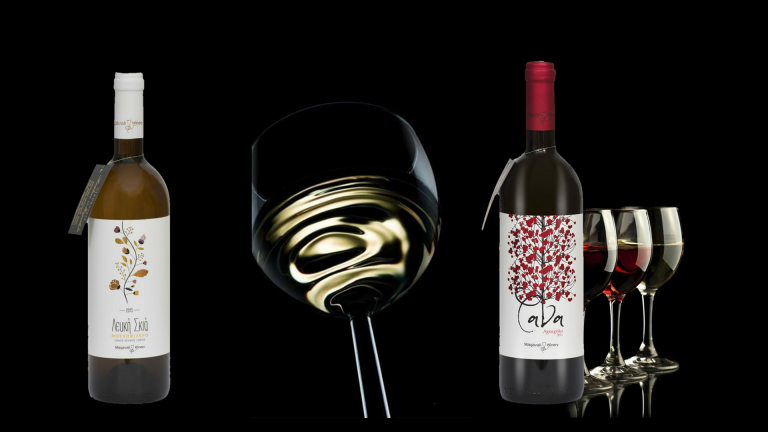
Our White Shadow is a dry white wine made from 100% Moschofilero, with PGI Peloponnese and 12.5% alcohol. The grapes grow in our family vineyards in Skotini, Argolida, at 820 metres, in sandy soil. They are harvested in early October and fermented in stainless steel tanks.
On the nose it offers fine, exotic aromas of lychee, rose petals and lemon blossom. On the palate it is fresh, with a light body and lively acidity, and its colour is crystal clear with golden green hues. We recommend it at 12 °C with grilled fish, white sauces, cured meats, pizza, spicy cheeses and fruit salads. In short, it is a light, aromatic white that shows everything you have read in this guide.