Non alcoholic wine is real wine that has had its alcohol removed after fermentation, usually down to 0.5% or less. It keeps part of the aroma and character of wine, but it has a lighter body and fewer calories. Below you will see how it is made, what the labels mean, what it tastes like and which natural grape products, such as our Moschofilero stafylomelo, contain no alcohol at all.
What is non alcoholic wine
Many people think of it as grape juice, but it is made in a very different way. Non alcoholic wine goes through every step of normal winemaking: harvest, crushing, fermentation, where yeast turns the grape sugars into alcohol, and often some ageing. Only at the end, when the wine has its aromas and structure, is the alcohol taken out.
That is why it tastes like wine and not like juice. Fermentation creates aromas that do not exist in fresh grapes, and these stay, in a softer form, after the alcohol is gone.
For us, as a family winery, it is one more way to enjoy the grape, next to regular wine.
How non alcoholic wine is made
The hard part is removing the alcohol without losing the aromas with it. Alcohol evaporates at a lower temperature than water, but if you simply heat a wine, its delicate aromas disappear and it tastes cooked. So producers use three main methods:
- Vacuum distillation. Under low pressure, alcohol evaporates at a much lower temperature, close to room temperature. The wine is not heated much and keeps more of its aroma.
- Reverse osmosis. The wine is pushed through a very fine membrane. Water and alcohol pass through, while the larger molecules of colour, flavour and aroma stay behind. The alcohol is then separated from the water, and the water goes back into the wine.
- Spinning cone. A column of rotating cones spreads the wine into a very thin layer. First the volatile aromas are collected, then the alcohol is removed, and finally the aromas are added back.
After the alcohol is removed, many producers add a little grape must or sugar to balance the taste, and sparkling versions get added carbon dioxide for the bubbles.
0.0% or alcohol free: what the labels mean
The rules change from country to country. In the European Union, wine labelled as dealcoholised has no more than 0.5% alcohol. You see 0.0% on wines where only traces are left, usually below 0.05%. On labels, especially in the UK market, you will also find these terms:
| Label term | Alcohol | What it means |
|---|---|---|
| Alcohol free or 0.0% | up to 0.05% | Practically no alcohol, only traces |
| Dealcoholised | up to 0.5% | Wine with almost all of its alcohol removed |
| Low alcohol | up to 1.2% | Low in alcohol, not zero |
| Partially dealcoholised | above 0.5% | Reduced alcohol, below that of a regular wine |
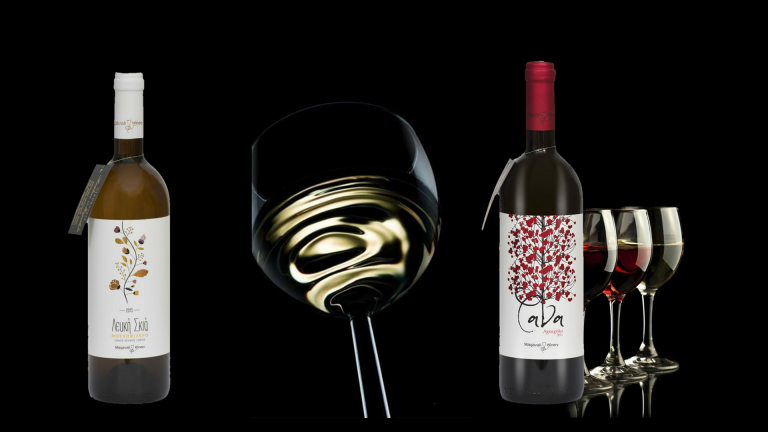
| Regular dry wine | usually 11% to 14% | For comparison, our White Shadow has 12.5% |
What non alcoholic wine tastes like
Alcohol does more than make you tipsy. It gives body, a warm and round feeling in the mouth, and it helps the aromas lift from the glass. Without it, wine feels lighter and thinner, and the acidity seems sharper.
This is why non alcoholic whites, rosés and sparkling wines usually work better than rich reds. A full bodied red with firm tannins, like a long aged Agiorgitiko, relies much more on its alcohol. To see what makes a good white special, have a look at our white wine guide.
Calories and sugar
Alcohol has about 7 calories per gram, so removing it cuts calories a lot. A 150 ml glass of dry white wine has about 120 to 130 kcal, while a glass of alcohol free wine usually has about 20 to 60 kcal.
Sugar is the part to watch. Because some producers add grape must or sugar to balance the taste, non alcoholic wine can have anything from a few grams to about 8 grams of sugar per glass, sometimes more. Check the nutrition information on the label or on the QR code of the bottle.
When to choose it and how to serve it
The reasons are many and mostly practical:
- When you are driving and still want to toast with friends.
- During pregnancy or breastfeeding, when many women prefer to avoid alcohol.
- When you take medicine that does not mix with alcohol.
- When you are taking a break from alcohol or watching calories.
Pregnancy and trace alcohol
Most non alcoholic wines contain trace alcohol, up to 0.5%. If you are pregnant, ask your doctor before choosing one. If you want zero alcohol, grape products that have never been fermented are a simpler choice.
Serving and storage
Serve non alcoholic whites, rosés and sparkling wines well chilled, at about 6 to 10 degrees Celsius, and reds slightly cool. Use a normal wine glass so you can enjoy the aroma.
Keep unopened bottles in a cool, dark place and drink them within the date on the label, because without alcohol the wine does not age like a regular one. Once opened, close the bottle well, keep it in the fridge and finish it within about 3 to 5 days.
Natural grape alternatives with no alcohol at all
For the taste of grapes with no trace of alcohol, look to Greek tradition. Grape must, petimezi and stafylomelo are not fermented, so they contain no alcohol. Fresh must only needs a little care, because if it is left out it starts to ferment on its own within a few days.
| Grape must | Petimezi | Stafylomelo | |
|---|---|---|---|
| What it is | Fresh juice of crushed grapes | Syrup made by boiling must for hours | Sweet grape product with a high sugar concentration |
| Alcohol | Zero, while fresh | Zero | Zero |
| Processing | None, drunk straight away | Long boiling | Ours is cold processed, never boiled |
| Taste | Fresh, sweet grapes | Deep, caramel sweetness | Sweet, recalls sun dried grapes |
| Best for | Drinks, grape must pudding | Desserts, must cookies | Drinks, dressings with vinegar, baking |
Petimezi is the old Greek way of keeping the sweetness of the harvest all year, and it is the key ingredient in our moustokouloura, Greek grape must cookies.
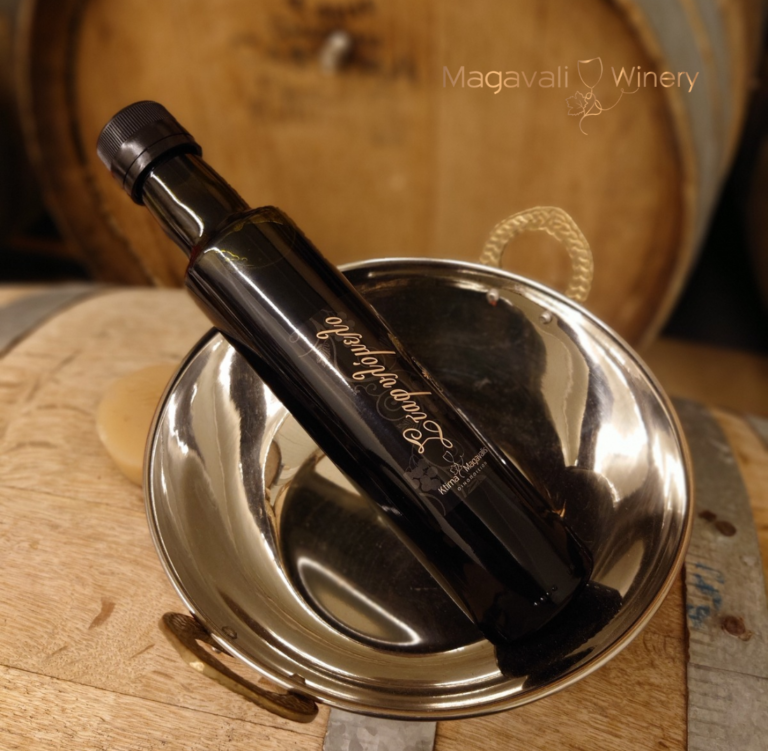
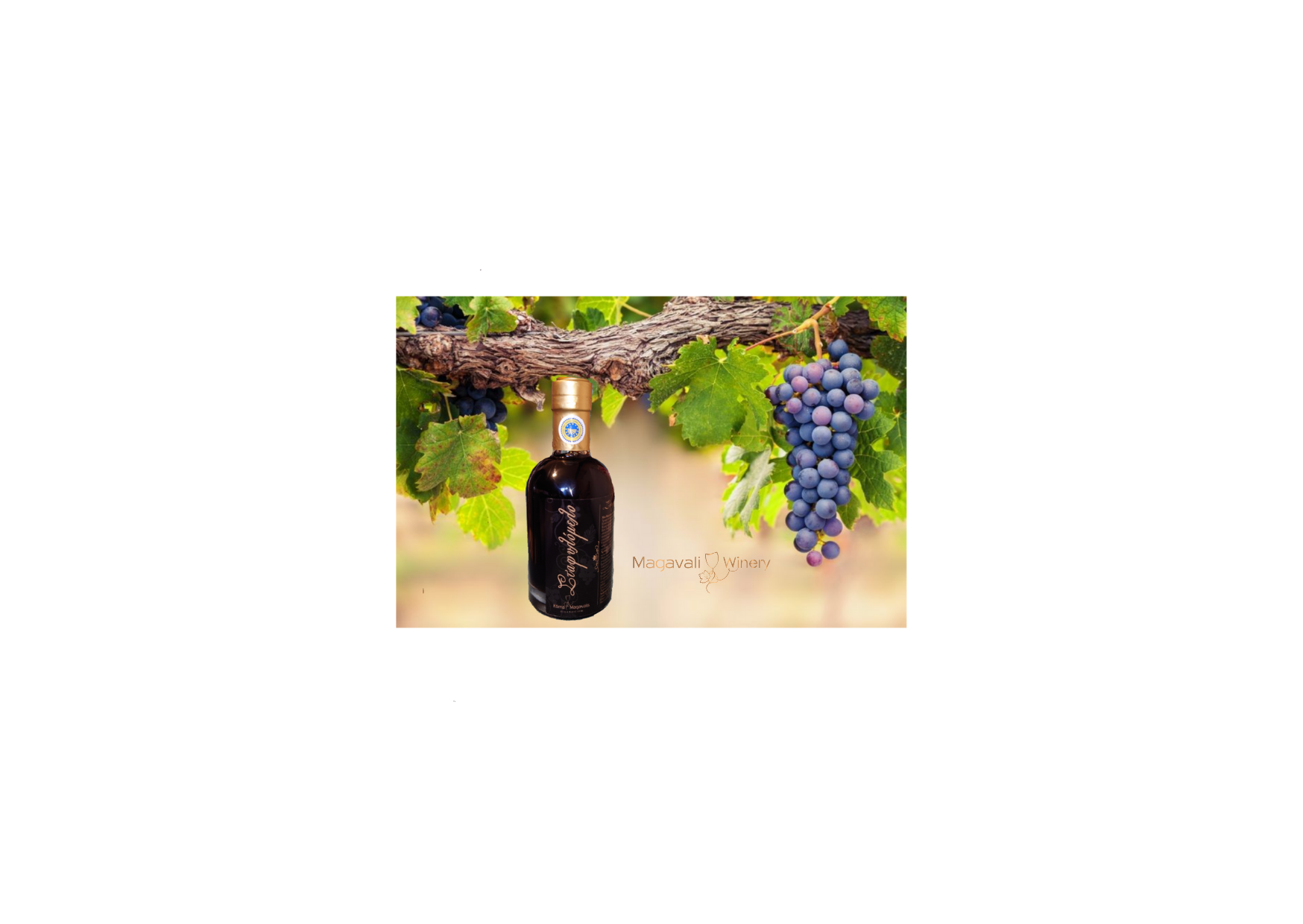
Magavali stafylomelo, a natural alcohol free choice
Our stafylomelo is made from Moschofilero grapes, the same variety we grow at 820 metres in our vineyards in Skotini, Argolida for our White Shadow wine. It is 100% grape, cold processed, with no added sugar, and it keeps the aroma of Moschofilero with notes that recall sun dried grapes. Its sweetness comes only from the natural sugars of the grape, highly concentrated, so a little goes a long way.
For anyone who avoids alcohol, it is a way to bring something from our vineyard to the table. Use it in drinks, in a sweet and sour dressing with one part vinegar for salads and grilled dishes, and in baking. You can also taste it at a wine tasting at our winery, next to our wines.