Moustokouloura are Greek grape must cookies, a soft, spiced autumn treat made with grape must or petimezi, olive oil, flour and warm spices, with no eggs or butter. If you cannot find fresh must, they are just as good with petimezi or with our stafylomelo from Moschofilero, as in the recipe below. Below you will find grams, steps, soft or crunchy tips and storage.
What are moustokouloura
Moustokouloura are one of the best loved traditional bakes of the Greek autumn. The name says it all: “moustos” means grape must and “koulouri” means a ring shaped biscuit or bread. Every wine growing village in Greece has its own family version.
The main ingredients are few:
- Grape must or petimezi, for sweetness, colour and a clear grape aroma.
- Flour, usually all purpose.
- Oil, olive oil or a mild vegetable oil, instead of butter.
- Spices, mostly cinnamon and cloves, often with a little nutmeg.
- Orange juice and zest, for freshness.
Since they contain no eggs, milk or butter, moustokouloura are a classic fasting food in Greece and suit people who eat plant based.
Why they are made in September and October
Moustokouloura belong to the grape harvest. When the grapes are picked and pressed, fresh must is available only for a few days, before it starts to ferment and turn into wine. Families kept a little of it for moustalevria, a grape must pudding, and for moustokouloura, and boiled some down into petimezi, so they would have a natural sweetener for the whole winter.
In our own vineyards in Skotini, Argolida, the Moschofilero and Agiorgitiko harvest takes place in early October. It is the time when the whole village smells of must.
Today you do not need to wait for the harvest. Petimezi and stafylomelo keep for months, so you can bake moustokouloura whenever you like.
Grape must, petimezi or stafylomelo
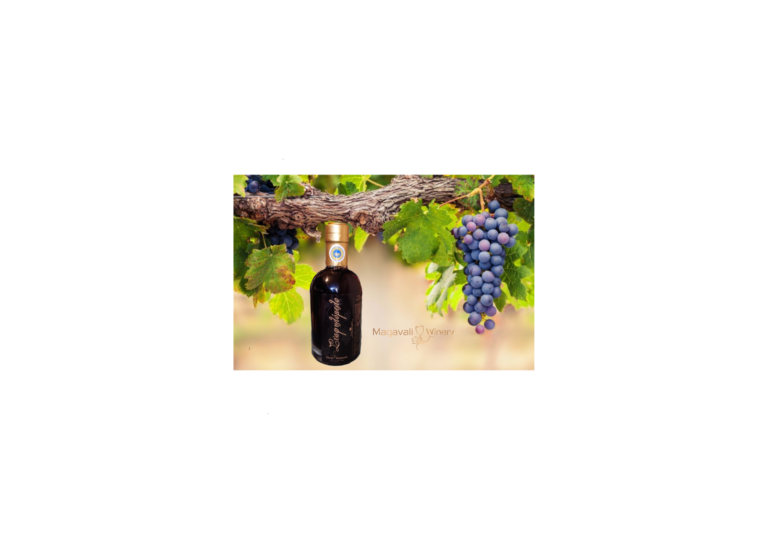
All three come from grapes, but they do not behave the same way in a dough. Fresh must is thin and only mildly sweet, while petimezi and stafylomelo are thick and concentrated. Our stafylomelo is made from the same grape as our dry white wine, and you can read more about it in our Moschofilero grape guide.
| Ingredient | What it is | Sweetness | When to use it |
|---|---|---|---|
| Grape must | Fresh juice of pressed grapes, before fermentation | Mild, often needs a little sugar | Only at harvest time, for the most traditional version |
| Petimezi | Grape must boiled for hours into a syrup, often called grape molasses | Intense, with caramel notes | All year, for dark and aromatic cookies |
| Stafylomelo | A sweet grape product with a high sugar concentration. Ours is unheated, made from Moschofilero, with no added sugar | Intense, with a sun dried grape aroma | All year, when you want a fruitier aroma |
In practice, petimezi and stafylomelo go in at the same weight. If you use fresh must, you will need a little more flour and perhaps a spoonful or two of sugar.
Moustokouloura recipe with petimezi or stafylomelo
This is a classic home style version with no added sugar. It makes about 45 to 50 cookies. Allow about 30 minutes to prepare, 20 minutes for the dough to rest and 15 to 20 minutes of baking per tray.
Ingredients
- 300 g petimezi or stafylomelo (about 1 cup)
- 180 g olive oil or mild vegetable oil (about 200 ml)
- 200 ml fresh orange juice
- Zest of 1 orange
- 30 ml brandy or tsipouro (optional)
- 5 g baking soda (1 level teaspoon)
- 10 g baking powder
- 6 g ground cinnamon (2 teaspoons)
- 2 g ground cloves (half a teaspoon)
- A pinch of nutmeg
- 850 to 950 g all purpose flour
- 50 g sesame seeds for topping (optional)
If you like them sweeter, add up to 50 g brown sugar to the oil mixture. It is not needed.
Method
- Preheat the oven to 180 degrees Celsius, fan setting, and line two trays with baking paper.
- In a large bowl, whisk the oil, petimezi or stafylomelo, zest and brandy until combined.
- In a glass, dissolve the baking soda in the orange juice. It will foam, which is what you want. Pour it straight into the bowl.
- In another bowl, mix 850 g of the flour with the baking powder, cinnamon, cloves and nutmeg.
- Add the flour to the liquids little by little and knead by hand, only as much as needed. The dough should be soft, slightly oily and not sticky. If it sticks, add a little more of the remaining flour.
- Cover the dough and let it rest for 20 minutes.
- Pinch off pieces of about 20 to 25 g, roll them into ropes and shape them into rings, sticks or small braids. Press the top side into the sesame seeds.
- Bake for 15 to 20 minutes, until lightly browned underneath. Let them cool on a wire rack before you store them.
Soft or crunchy moustokouloura
The same dough can give you soft, fluffy cookies or crunchy biscuits for dunking. The difference comes down to a few things:
| Factor | Soft and fluffy | Crunchy |
|---|---|---|
| Oil | The full amount in the recipe, for a tender dough | About 30 g less, for a firmer dough |
| Dough | Soft, with as little flour as possible | A little firmer, with a little more flour |
| Thickness | Ropes about 1.5 cm thick | Ropes about 1 cm thick or less |
| Raising agent | Baking soda and baking powder | Baker’s ammonia instead of baking powder |
| Baking | 180 degrees, 15 to 18 minutes, just until browned | 170 degrees, 25 to 30 minutes, then a while in the switched off oven |
For soft ones, take them out while the tops still look a little soft. They firm up as they cool.
Tips for perfect moustokouloura
Baking soda and ammonia. Baking soda reacts with the acidity of the petimezi and orange juice and lifts the dough. That is why you dissolve it in the juice and add it right away. Baker’s ammonia, the old raising agent for Greek cookies, gives a drier, crunchier texture. Its strong smell disappears in the oven.
Rest the dough. Twenty minutes of rest lets the flour absorb the liquids. The dough shapes more easily, so you will not add extra flour, which makes the cookies hard.
Sesame. Toast it lightly in a dry pan first for more aroma. To help it stick, brush the tops of the cookies with a little water.
Go easy on the cloves. Cloves are strong. Half a teaspoon is enough, so they do not cover the grape aroma, especially if you use stafylomelo.
Storage and variations
Store moustokouloura in an airtight container in a cool, dry place, and only once they are completely cool. They keep for about two weeks, and crunchy ones often longer. They also freeze well once baked.
A few variations worth trying:
- With fresh grape must, instead of petimezi and orange juice, at harvest time.
- With walnuts or raisins, about 100 g, chopped into the dough.
- With wholemeal flour, for half of the flour, for a rustic taste.
- With a little ground anise or mastic, for a different aroma.
Moustokouloura go well with coffee, tea or warm milk. For another afternoon option, see our guide to non alcoholic wine.